Buy maschinen.eu ?
We are moving the project
maschinen.eu .
Are you interested in purchasing the domain
maschinen.eu ?
domain@kv-gmbh.de · 0541-91531010
Buy maschinen.eu ?
What is a Ridex cabin air filter?
A Ridex cabin air filter is a type of air filter designed specifically for the cabin of a vehicle. It is installed in the HVAC system of the car to help improve the air quality inside the cabin by filtering out dust, pollen, and other airborne particles. This can help reduce allergens and pollutants inside the vehicle, creating a cleaner and healthier environment for the occupants. Ridex cabin air filters are typically made with high-quality materials and are designed to be a direct replacement for the original filter in the vehicle. **
What does the fuel low-pressure sensor do?
The fuel low-pressure sensor is responsible for monitoring the pressure of the fuel in the fuel system. It detects when the fuel pressure drops below a certain threshold, indicating that there may be an issue with the fuel system such as a leak or a clog. When the sensor detects low fuel pressure, it sends a signal to the vehicle's engine control unit (ECU) to alert the driver through a warning light on the dashboard. This helps prevent potential damage to the engine and ensures the vehicle operates efficiently. **


Similar search terms for RIDEX-3996P0002-Fuel-pressure
Top-Angebote
Products related to RIDEX-3996P0002-Fuel-pressure:
-
RIDEX 3942S0013 Fuel pressure sensorNumber of pins: 3; Connecting thread: M12x1.5; TecDoc Engine Number: 20147; for RPO number from: 10101; for RPO number up to: 10618; Manufacturer Restriction: Bosch; Emissions Standard: Euro 3 (D3), Euro 4 (D4); Engine Code: DV6TED419,49 £*Shipping: 8,45 £Secure redirect to the provider
-
RIDEX 3942S0012 Fuel pressure sensorSupplementary Article / Supplementary Info Info 2: High-pressure Side; Connecting thread: M18x1.5mm; Fuel Mixture Formation: Common Rail (CR); Fuel Mixture Formation: Direct Injection; Vehicle Equipment: for vehicles with start-stop function; Engine Code: A 16 FDH<ecoFLEX>, 199 A2.000<ECOCF4>, 199 B1.000, 198 A2.000, F1AE0481G*..., F1CE3481C*..., F1CE3481C.., F1AE3481B*A0..., F1CE3481..., F1CE3481M<M99>, F1AGL411A, F1AGL411H<Euro 6>, F1AGL411...<EURO 6>, F1CFL411J*C, 940 C1.000, F4AE3481B*P, F4DFE613B, F4DFE613J, F4DFE613H, F4DFE613F<Tier 4a>, F4DFE6132<Tier 4a>, F4DFE613E<Tier 4a>, NEF<Tier 3>; Vehicle type: <Daily 35 S 18>, <Daily 35 C 13>, <D>28,99 £*Shipping: 8,45 £Secure redirect to the provider
-
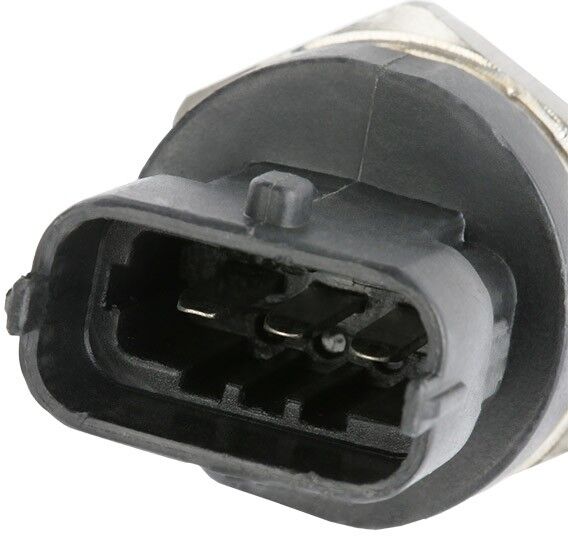
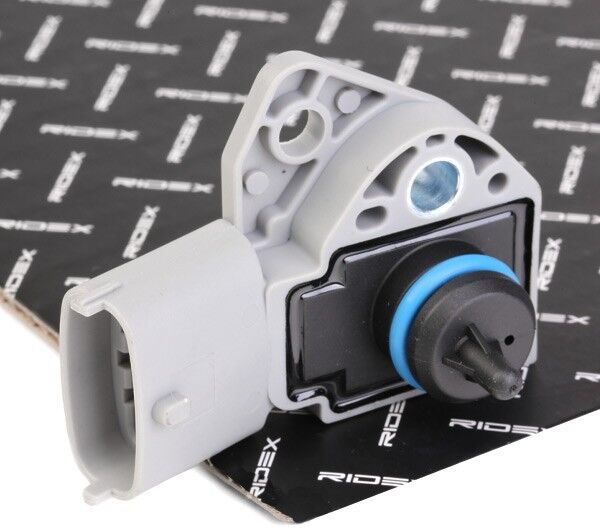
RIDEX 3942S0011 Fuel pressure sensorNumber of pins: 4; Connector Shape: oval; Colour: light grey; Supplementary Article / Supplementary Info Info 2: with integrated air temperature sensor, Low-pressure Side; Number of mounting bores: 2; Fuel Mixture Formation: Intake Manifold Injection; Construction Year to: 07/2000, 07/2004, 07/2003, 03/2004, 07/2007, 07/2010; Construction Year from: 09/2000, 11/2000, 03/2005, 08/2003, 08/2006, 08/2008; Engine Code: B 5234 T321,49 £*Shipping: 8,45 £Secure redirect to the provider
-
RIDEX 3942S0007 Fuel pressure sensorPackaging Depth [cm]: 6,8; Connector Shape: D Shape; Housing Colour: beige; Connecting thread: M18x1.5; Number of connectors: 3; for PR number: 0GG, 7MF; Engine Code: CFFB, CBAB, CFFB, CLJA, CBAA, CFFA, CFHC, CFHC, CLCB, CBAB, CFFB, CBDB, CFHC, CBAB, CBDB, CJAA, CBBB, CBAA, CAGB, CBDA, CFHB, CEGA, CFJA, CEGA, CBBB, CFGB, CFJA, CBDA, CBDB, CFFB, CLJA, CFGB; Exhaust System: after soot particulate filter23,99 £*Shipping: 8,45 £Secure redirect to the provider


-
What does the low-pressure fuel sensor do?
The low-pressure fuel sensor is responsible for monitoring the fuel pressure in the fuel system of a vehicle. It detects any fluctuations or drops in fuel pressure and sends this information to the engine control unit. This data helps the engine control unit adjust the fuel delivery to ensure optimal engine performance and fuel efficiency. If the sensor detects a significant drop in fuel pressure, it can trigger a warning light on the dashboard to alert the driver of a potential issue. **
-
How can one learn to become an electronics technician for industrial engineering or automation technology?
To become an electronics technician for industrial engineering or automation technology, one can start by pursuing a relevant educational program, such as an associate degree in electronics engineering technology or industrial automation. These programs typically cover topics such as electrical circuits, industrial control systems, and automation technologies. Additionally, gaining hands-on experience through internships or apprenticeships with companies in the industrial engineering or automation field can provide valuable practical skills. Seeking professional certifications, such as those offered by organizations like the International Society of Automation (ISA) or the Electronics Technicians Association (ETA), can also demonstrate expertise and knowledge in the field. Finally, staying updated with the latest advancements in industrial engineering and automation technology through continuous learning and professional development is essential for a successful career in this field. **
-
How does one switch from an electronics technician for industrial engineering to an electronics technician for automation technology?
To switch from being an electronics technician for industrial engineering to automation technology, one can start by gaining knowledge and skills specific to automation technology through courses, workshops, or certifications. It is important to familiarize oneself with automation systems, PLC programming, robotics, and other relevant technologies. Networking with professionals in the automation industry and seeking opportunities for hands-on experience in automation projects can also be beneficial. Updating one's resume and highlighting any relevant experience or skills related to automation technology will help in transitioning to a new role as an electronics technician for automation technology. **
-
How can one switch from an electronics technician for industrial engineering to an electronics technician for automation technology?
To switch from being an electronics technician for industrial engineering to automation technology, one can start by gaining knowledge and skills specific to automation technology through courses or training programs. It is important to familiarize oneself with automation systems, PLC programming, and control systems. Additionally, gaining hands-on experience in automation technology through internships or on-the-job training can be beneficial. Networking with professionals in the automation technology field and seeking mentorship can also help in making a successful transition. **
What is the difference between an electronics technician for industrial engineering and an electronics technician for automation technology?
An electronics technician for industrial engineering typically focuses on maintaining and repairing electronic systems used in various industries, such as manufacturing plants or power plants. They are responsible for ensuring that electronic equipment operates efficiently and safely within an industrial setting. On the other hand, an electronics technician for automation technology specializes in designing, installing, and maintaining automated systems that control machinery and processes. They work with programmable logic controllers (PLCs) and other advanced technologies to optimize production processes and increase efficiency in industrial automation. **
How do you switch from an electronics technician for industrial engineering to an electronics technician for automation technology?
To switch from being an electronics technician for industrial engineering to automation technology, you may need to acquire additional training or certifications specific to automation technology. This could involve taking courses or workshops focused on automation systems, programmable logic controllers (PLCs), robotics, and other relevant technologies. It would also be beneficial to gain practical experience in automation technology through internships or on-the-job training. Networking with professionals in the automation technology field and seeking out job opportunities that align with your new career focus can also help facilitate the transition. **
Top-Angebote
Products related to RIDEX-3996P0002-Fuel-pressure:
-
RIDEX 3996P0002 Fuel pressure regulator, common railFitting Position: High-pressure Pump (low-pressure side); Vehicle Identification Number (VIN) from: E73994->J24803; Construction Year to: 06/2012, 06/2008, 09/2007, 06/2003, 11/2006, 02/2012, 12/2009, 08/2006, 12/2008, 12/2012, 06/2011, 10/2008, 02/2009, 10/2007; Construction Year from: 03/2006, 05/2006, 01/2010, 10/2012, 12/2013; Engine Code: K9K 728, K9K 830, K9K 792, K9K 790, K9K612; Emissions Standard: Euro 4 (D4)38,99 £*Shipping: 8,45 £Secure redirect to the provider
-
RIDEX 3942S0014 Fuel pressure sensorPressure to [bar]: 1800; Thread Size: M18X1,5; Supplementary Article / Supplementary Info Info 2: High-pressure Side; Fuel Mixture Formation: Direct Injection; Engine Code: 30 6D 2<M 57N>, 30 6D 3<M 57N2>, N47 D20 A, N47 D20 C, 30 6D 5, M47 D20 (204D4); Construction Year to: 12/2004, 05/2006, 03/2007, 08/2006, 09/2007; Construction Year from: 03/2005, 09/2005, 03/2006123,99 £*Shipping: 1,99 £Secure redirect to the provider
-
RIDEX 3942S0013 Fuel pressure sensorNumber of pins: 3; Connecting thread: M12x1.5; TecDoc Engine Number: 20147; for RPO number from: 10101; for RPO number up to: 10618; Manufacturer Restriction: Bosch; Emissions Standard: Euro 3 (D3), Euro 4 (D4); Engine Code: DV6TED419,49 £*Shipping: 8,45 £Secure redirect to the provider
-
RIDEX 3942S0012 Fuel pressure sensorSupplementary Article / Supplementary Info Info 2: High-pressure Side; Connecting thread: M18x1.5mm; Fuel Mixture Formation: Common Rail (CR); Fuel Mixture Formation: Direct Injection; Vehicle Equipment: for vehicles with start-stop function; Engine Code: A 16 FDH<ecoFLEX>, 199 A2.000<ECOCF4>, 199 B1.000, 198 A2.000, F1AE0481G*..., F1CE3481C*..., F1CE3481C.., F1AE3481B*A0..., F1CE3481..., F1CE3481M<M99>, F1AGL411A, F1AGL411H<Euro 6>, F1AGL411...<EURO 6>, F1CFL411J*C, 940 C1.000, F4AE3481B*P, F4DFE613B, F4DFE613J, F4DFE613H, F4DFE613F<Tier 4a>, F4DFE6132<Tier 4a>, F4DFE613E<Tier 4a>, NEF<Tier 3>; Vehicle type: <Daily 35 S 18>, <Daily 35 C 13>, <D>28,99 £*Shipping: 8,45 £Secure redirect to the provider
-
What is a Ridex cabin air filter?
A Ridex cabin air filter is a type of air filter designed specifically for the cabin of a vehicle. It is installed in the HVAC system of the car to help improve the air quality inside the cabin by filtering out dust, pollen, and other airborne particles. This can help reduce allergens and pollutants inside the vehicle, creating a cleaner and healthier environment for the occupants. Ridex cabin air filters are typically made with high-quality materials and are designed to be a direct replacement for the original filter in the vehicle. **
-
What does the fuel low-pressure sensor do?
The fuel low-pressure sensor is responsible for monitoring the pressure of the fuel in the fuel system. It detects when the fuel pressure drops below a certain threshold, indicating that there may be an issue with the fuel system such as a leak or a clog. When the sensor detects low fuel pressure, it sends a signal to the vehicle's engine control unit (ECU) to alert the driver through a warning light on the dashboard. This helps prevent potential damage to the engine and ensures the vehicle operates efficiently. **
-
What does the low-pressure fuel sensor do?
The low-pressure fuel sensor is responsible for monitoring the fuel pressure in the fuel system of a vehicle. It detects any fluctuations or drops in fuel pressure and sends this information to the engine control unit. This data helps the engine control unit adjust the fuel delivery to ensure optimal engine performance and fuel efficiency. If the sensor detects a significant drop in fuel pressure, it can trigger a warning light on the dashboard to alert the driver of a potential issue. **
-
How can one learn to become an electronics technician for industrial engineering or automation technology?
To become an electronics technician for industrial engineering or automation technology, one can start by pursuing a relevant educational program, such as an associate degree in electronics engineering technology or industrial automation. These programs typically cover topics such as electrical circuits, industrial control systems, and automation technologies. Additionally, gaining hands-on experience through internships or apprenticeships with companies in the industrial engineering or automation field can provide valuable practical skills. Seeking professional certifications, such as those offered by organizations like the International Society of Automation (ISA) or the Electronics Technicians Association (ETA), can also demonstrate expertise and knowledge in the field. Finally, staying updated with the latest advancements in industrial engineering and automation technology through continuous learning and professional development is essential for a successful career in this field. **
Similar search terms for RIDEX-3996P0002-Fuel-pressure
-
RIDEX 3942S0011 Fuel pressure sensorNumber of pins: 4; Connector Shape: oval; Colour: light grey; Supplementary Article / Supplementary Info Info 2: with integrated air temperature sensor, Low-pressure Side; Number of mounting bores: 2; Fuel Mixture Formation: Intake Manifold Injection; Construction Year to: 07/2000, 07/2004, 07/2003, 03/2004, 07/2007, 07/2010; Construction Year from: 09/2000, 11/2000, 03/2005, 08/2003, 08/2006, 08/2008; Engine Code: B 5234 T321,49 £*Shipping: 8,45 £Secure redirect to the provider
-
RIDEX 3942S0007 Fuel pressure sensorPackaging Depth [cm]: 6,8; Connector Shape: D Shape; Housing Colour: beige; Connecting thread: M18x1.5; Number of connectors: 3; for PR number: 0GG, 7MF; Engine Code: CFFB, CBAB, CFFB, CLJA, CBAA, CFFA, CFHC, CFHC, CLCB, CBAB, CFFB, CBDB, CFHC, CBAB, CBDB, CJAA, CBBB, CBAA, CAGB, CBDA, CFHB, CEGA, CFJA, CEGA, CBBB, CFGB, CFJA, CBDA, CBDB, CFFB, CLJA, CFGB; Exhaust System: after soot particulate filter23,99 £*Shipping: 8,45 £Secure redirect to the provider
-
RIDEX 168C0002 Fuel pressure regulatorOperating Mode: hydraulic; Outlet Diameter [mm]: 9; Pressure [bar]: 4; Supplementary Article / Supplementary Info Info 2: with seal ring; Construction Year to: 12/1995, 05/1995, 08/1995, 07/1995, 02/1996, 12/1997, 08/1996, 03/1997, 06/2000, 10/2000, 07/1998, 12/1998, 12/1996, 06/1996, 07/1996, 07/1997, 10/1997, 11/2000, 07/1999, 02/2001, 04/1999, 05/2004, 08/1999, 04/2001, 09/2001, 05/2001, 08/2000, 05/2000, 12/1999, 08/2002, 08/2003, 04/2004, 05/2006, 08/2005, 06/2008, 10/2010, 09/2004, 10/2008, 05/2013, 05/2005, 04/2011, 07/2010, 04/2009, 12/2011, 05/1999; TecDoc Engine Number: 224, 4199, 13949, 13950, 15335, 246, 241, 13775, 13776, 16412, 4197, 9516, 13931, 13932, 5557, 11497, 16237, 5560, 15808, 16259, 16260, 13929, 5556, 16254, 16255, 19252, 13930, 9515, 13951, 13952, 13953, 9518, 14029, 15329, 10813, 15341, 11088, 14028, 15330, 11358, 15337, 15150, 15149, 15155, 16422, 15617, 15346, 16252, 17913, 13928, 13954, 15331, 16729, 17186, 17284, 18242, 19709, 19707, 31764, 31765, 31766, 25266, 31768; Construction Year from: 09/1995, 10/1994, 06/1994, 02/1999, 09/1994, 10/1995, 06/2000, 08/1998, 02/1996, 09/1996, 12/1996, 01/1997, 04/1997, 06/1998, 10/1997, 08/1997, 06/1997, 12/1997, 02/1998, 05/2000, 06/2001, 04/1999, 04/2008, 12/2000, 10/1999, 10/2000, 05/2002, 11/1998, 01/2005, 09/2005, 02/2004, 10/2004, 07/2004, 09/2002, 05/2009, 09/1999, 09/2003, 03/2005, 10/2006, 10/2002, 03/2010; Vehicle Identification Number (VIN) to: 3A-TB012 000, 3A-TD140 000, 3A-TE140 000, 3A..TB012 000, 3A..TE140 000, 3A..TD140 000, 1H..TW360 000, 1H..TB120 000, 1H..TP240 000, 1H..TD360 000; Engine Code: AEJ, ATX, BBG, BBJ, BHF, BEB, BWR, CKHD, CKHC, BWRA, AMX; Vehicle Identification Number (VIN) from: 8E-5-065 000; Vehicle type: <BA 4.0L XR6 Turbo>16,99 £*Shipping: 8,45 £Secure redirect to the provider
-
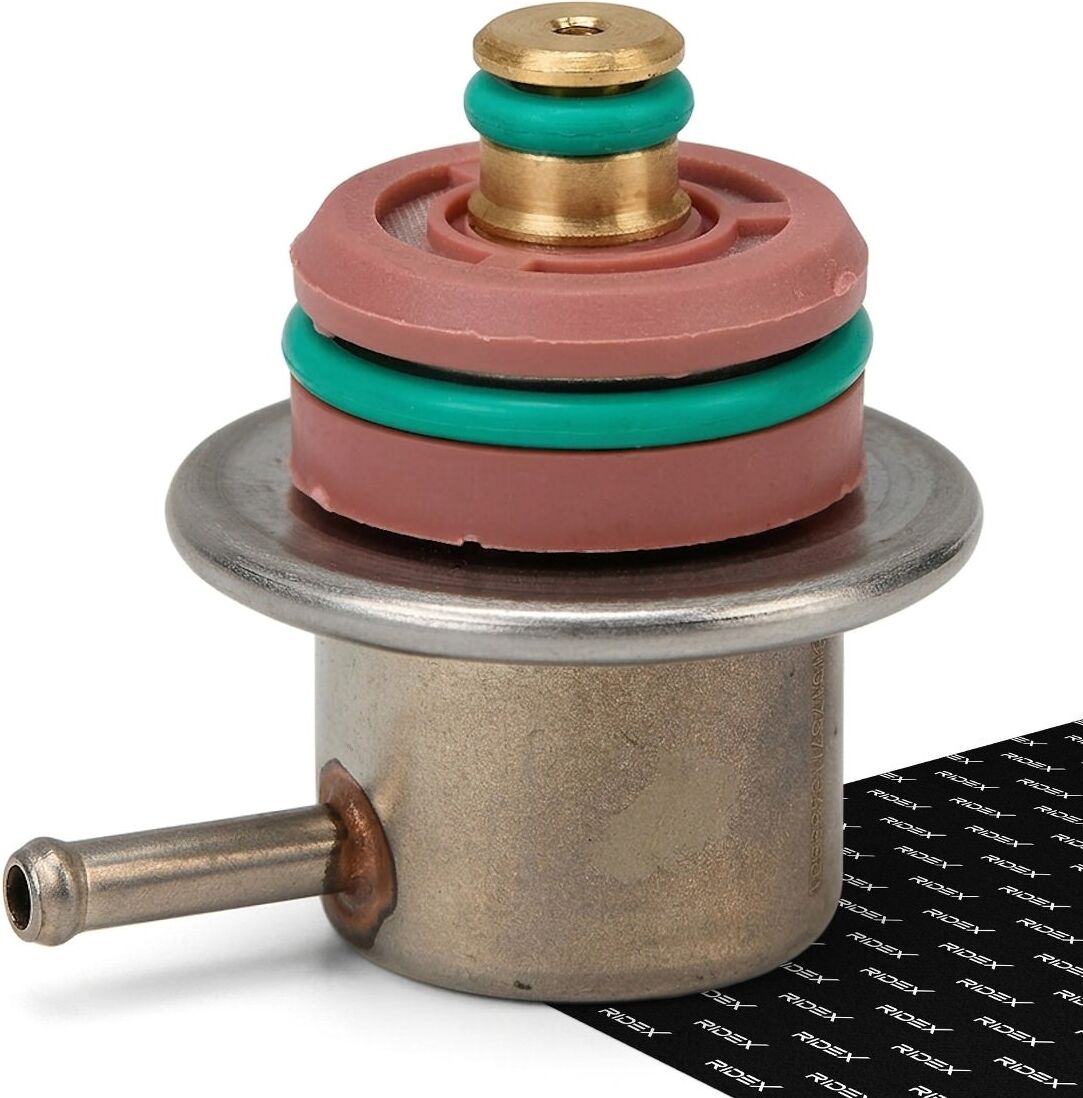
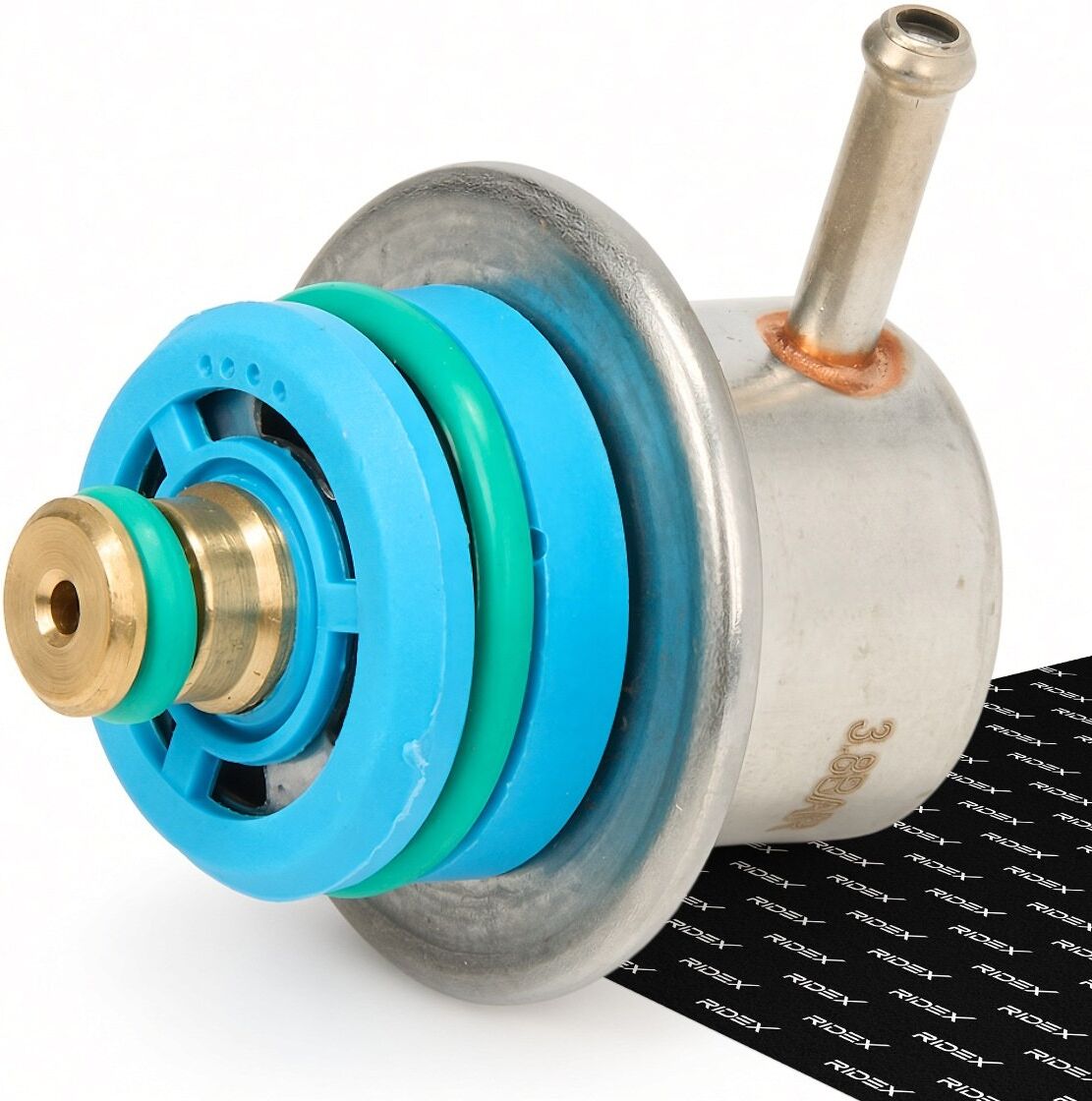
RIDEX 168C0004 Fuel pressure regulatorOperating Pressure [bar]: 3,8; Outlet Diameter [mm]: 9; Construction Year from: 07/1993, 06/1993, 09/1995, 09/1996, 09/1997, 03/1998, 08/2003, 02/2004; Construction Year to: 05/1996, 05/1998, 09/1995, 09/1998, 05/1993, 04/2000, 09/1996, 05/1997, 06/1996, 04/1997, 11/1997, 03/2000, 02/1997, 06/2003, 02/2001, 01/2000, 06/2000, 08/2001, 01/2003, 08/2000, 08/2002, 12/2002, 02/1994, 12/200511,99 £*Shipping: 8,45 £Secure redirect to the provider
-
How does one switch from an electronics technician for industrial engineering to an electronics technician for automation technology?
To switch from being an electronics technician for industrial engineering to automation technology, one can start by gaining knowledge and skills specific to automation technology through courses, workshops, or certifications. It is important to familiarize oneself with automation systems, PLC programming, robotics, and other relevant technologies. Networking with professionals in the automation industry and seeking opportunities for hands-on experience in automation projects can also be beneficial. Updating one's resume and highlighting any relevant experience or skills related to automation technology will help in transitioning to a new role as an electronics technician for automation technology. **
-
How can one switch from an electronics technician for industrial engineering to an electronics technician for automation technology?
To switch from being an electronics technician for industrial engineering to automation technology, one can start by gaining knowledge and skills specific to automation technology through courses or training programs. It is important to familiarize oneself with automation systems, PLC programming, and control systems. Additionally, gaining hands-on experience in automation technology through internships or on-the-job training can be beneficial. Networking with professionals in the automation technology field and seeking mentorship can also help in making a successful transition. **
-
What is the difference between an electronics technician for industrial engineering and an electronics technician for automation technology?
An electronics technician for industrial engineering typically focuses on maintaining and repairing electronic systems used in various industries, such as manufacturing plants or power plants. They are responsible for ensuring that electronic equipment operates efficiently and safely within an industrial setting. On the other hand, an electronics technician for automation technology specializes in designing, installing, and maintaining automated systems that control machinery and processes. They work with programmable logic controllers (PLCs) and other advanced technologies to optimize production processes and increase efficiency in industrial automation. **
-
How do you switch from an electronics technician for industrial engineering to an electronics technician for automation technology?
To switch from being an electronics technician for industrial engineering to automation technology, you may need to acquire additional training or certifications specific to automation technology. This could involve taking courses or workshops focused on automation systems, programmable logic controllers (PLCs), robotics, and other relevant technologies. It would also be beneficial to gain practical experience in automation technology through internships or on-the-job training. Networking with professionals in the automation technology field and seeking out job opportunities that align with your new career focus can also help facilitate the transition. **
* All prices are inclusive of VAT and, if applicable, plus shipping costs. The offer information is based on the details provided by the respective shop and is updated through automated processes. Real-time updates do not occur, so deviations can occur in individual cases. ** Note: Parts of this content were created by AI.