Buy maschinen.eu ?
We are moving the project
maschinen.eu .
Are you interested in purchasing the domain
maschinen.eu ?
domain@kv-gmbh.de · 0541-91531010
Buy maschinen.eu ?
How can one learn to become an electronics technician for industrial engineering or automation technology?
To become an electronics technician for industrial engineering or automation technology, one can start by pursuing a relevant educational program, such as an associate degree in electronics engineering technology or industrial automation. These programs typically cover topics such as electrical circuits, industrial control systems, and automation technologies. Additionally, gaining hands-on experience through internships or apprenticeships with companies in the industrial engineering or automation field can provide valuable practical skills. Seeking professional certifications, such as those offered by organizations like the International Society of Automation (ISA) or the Electronics Technicians Association (ETA), can also demonstrate expertise and knowledge in the field. Finally, staying updated with the latest advancements in industrial engineering and automation technology through continuous learning and professional development is essential for a successful career in this field. **
What is the aptitude test for process mechanics for rubber technology?
The aptitude test for process mechanics for rubber technology is designed to assess an individual's knowledge and skills in the field of rubber technology. It may include questions related to rubber processing techniques, machinery operation, quality control, and safety procedures. The test may also evaluate problem-solving abilities, mechanical aptitude, and attention to detail, all of which are important for success in this role. Additionally, the test may assess the candidate's understanding of chemical processes and materials used in rubber production. **


Similar search terms for Magnum-Technology-A8P001MT-Rubber
Top-Angebote
Products related to Magnum-Technology-A8P001MT-Rubber:
-
Magnum Technology A8W048MT Rubber Buffer, suspensionThickness: 113,0; Material: PU (Polyurethane); Fitting Position: Rear Axle both sides; Height: 113; Suspension: for vehicles with electronic suspension control, for vehicles with sports suspension, for vehicles without electronic suspension control; for PR number: UB1, UA5, UB9; TecDoc Engine Number: 27260, 29194, 29192, 27261, 28019, 27262, 34063, 34422, 28124, 27263, 28099, 27196, 27202, 34412, 32774, 27958, 29264, 35413, 27977, 35345, 34424, 28425, 29249, 29248, 29283, 29307, 37154, 36358, 29286, 36739, 34413, 34414, 27251; Axle: Multi-link Axle9,99 £*Shipping: 8,45 £Secure redirect to the provider
-
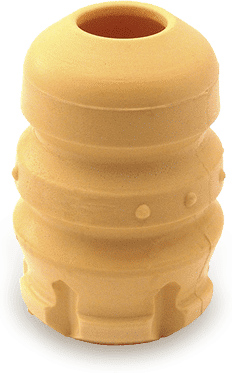
Magnum Technology A8C012MT Rubber Buffer, suspensionLength [mm]: 84,50; Width [mm]: 52,0; Material: PU (Polyurethane); Fitting Position: Rear Axle both sides; Height: 84,5; Outer Diameter [mm]: 52; Suspension: for vehicles without height-adjustable suspension; for RPO number up to: 1493715,99 £*Shipping: 8,45 £Secure redirect to the provider



-
How does one switch from an electronics technician for industrial engineering to an electronics technician for automation technology?
To switch from being an electronics technician for industrial engineering to automation technology, one can start by gaining knowledge and skills specific to automation technology through courses, workshops, or certifications. It is important to familiarize oneself with automation systems, PLC programming, robotics, and other relevant technologies. Networking with professionals in the automation industry and seeking opportunities for hands-on experience in automation projects can also be beneficial. Updating one's resume and highlighting any relevant experience or skills related to automation technology will help in transitioning to a new role as an electronics technician for automation technology. **
-
How can one switch from an electronics technician for industrial engineering to an electronics technician for automation technology?
To switch from being an electronics technician for industrial engineering to automation technology, one can start by gaining knowledge and skills specific to automation technology through courses or training programs. It is important to familiarize oneself with automation systems, PLC programming, and control systems. Additionally, gaining hands-on experience in automation technology through internships or on-the-job training can be beneficial. Networking with professionals in the automation technology field and seeking mentorship can also help in making a successful transition. **
-
What is the difference between an electronics technician for industrial engineering and an electronics technician for automation technology?
An electronics technician for industrial engineering typically focuses on maintaining and repairing electronic systems used in various industries, such as manufacturing plants or power plants. They are responsible for ensuring that electronic equipment operates efficiently and safely within an industrial setting. On the other hand, an electronics technician for automation technology specializes in designing, installing, and maintaining automated systems that control machinery and processes. They work with programmable logic controllers (PLCs) and other advanced technologies to optimize production processes and increase efficiency in industrial automation. **
-
How do you switch from an electronics technician for industrial engineering to an electronics technician for automation technology?
To switch from being an electronics technician for industrial engineering to automation technology, you may need to acquire additional training or certifications specific to automation technology. This could involve taking courses or workshops focused on automation systems, programmable logic controllers (PLCs), robotics, and other relevant technologies. It would also be beneficial to gain practical experience in automation technology through internships or on-the-job training. Networking with professionals in the automation technology field and seeking out job opportunities that align with your new career focus can also help facilitate the transition. **


Is the technical diploma in automation technology difficult?
The difficulty of the technical diploma in automation technology can vary depending on the individual's background, experience, and aptitude for the subject matter. Some students may find the coursework challenging due to the complex concepts and technical skills required, while others with a strong foundation in math, science, and technology may find it more manageable. Overall, dedication, hard work, and a genuine interest in automation technology can help students succeed in completing the program. **
How are electronics technicians trained for automation technology?
Electronics technicians are trained for automation technology through a combination of formal education and on-the-job training. They typically complete a post-secondary program in electronics or a related field, where they learn about electrical circuits, digital electronics, and control systems. Additionally, they receive specialized training in automation technology, which includes learning about programmable logic controllers (PLCs), industrial robotics, and process control systems. This training may also involve hands-on experience with automation equipment and systems in a lab or industrial setting. Overall, electronics technicians are trained to understand and troubleshoot the complex systems used in automation technology. **
Top-Angebote
Products related to Magnum-Technology-A8P001MT-Rubber:
-
Magnum Technology A8W048MT Rubber Buffer, suspensionThickness: 113,0; Material: PU (Polyurethane); Fitting Position: Rear Axle both sides; Height: 113; Suspension: for vehicles with electronic suspension control, for vehicles with sports suspension, for vehicles without electronic suspension control; for PR number: UB1, UA5, UB9; TecDoc Engine Number: 27260, 29194, 29192, 27261, 28019, 27262, 34063, 34422, 28124, 27263, 28099, 27196, 27202, 34412, 32774, 27958, 29264, 35413, 27977, 35345, 34424, 28425, 29249, 29248, 29283, 29307, 37154, 36358, 29286, 36739, 34413, 34414, 27251; Axle: Multi-link Axle9,99 £*Shipping: 8,45 £Secure redirect to the provider
-
How can one learn to become an electronics technician for industrial engineering or automation technology?
To become an electronics technician for industrial engineering or automation technology, one can start by pursuing a relevant educational program, such as an associate degree in electronics engineering technology or industrial automation. These programs typically cover topics such as electrical circuits, industrial control systems, and automation technologies. Additionally, gaining hands-on experience through internships or apprenticeships with companies in the industrial engineering or automation field can provide valuable practical skills. Seeking professional certifications, such as those offered by organizations like the International Society of Automation (ISA) or the Electronics Technicians Association (ETA), can also demonstrate expertise and knowledge in the field. Finally, staying updated with the latest advancements in industrial engineering and automation technology through continuous learning and professional development is essential for a successful career in this field. **
-
What is the aptitude test for process mechanics for rubber technology?
The aptitude test for process mechanics for rubber technology is designed to assess an individual's knowledge and skills in the field of rubber technology. It may include questions related to rubber processing techniques, machinery operation, quality control, and safety procedures. The test may also evaluate problem-solving abilities, mechanical aptitude, and attention to detail, all of which are important for success in this role. Additionally, the test may assess the candidate's understanding of chemical processes and materials used in rubber production. **
-
How does one switch from an electronics technician for industrial engineering to an electronics technician for automation technology?
To switch from being an electronics technician for industrial engineering to automation technology, one can start by gaining knowledge and skills specific to automation technology through courses, workshops, or certifications. It is important to familiarize oneself with automation systems, PLC programming, robotics, and other relevant technologies. Networking with professionals in the automation industry and seeking opportunities for hands-on experience in automation projects can also be beneficial. Updating one's resume and highlighting any relevant experience or skills related to automation technology will help in transitioning to a new role as an electronics technician for automation technology. **
-
How can one switch from an electronics technician for industrial engineering to an electronics technician for automation technology?
To switch from being an electronics technician for industrial engineering to automation technology, one can start by gaining knowledge and skills specific to automation technology through courses or training programs. It is important to familiarize oneself with automation systems, PLC programming, and control systems. Additionally, gaining hands-on experience in automation technology through internships or on-the-job training can be beneficial. Networking with professionals in the automation technology field and seeking mentorship can also help in making a successful transition. **
Similar search terms for Magnum-Technology-A8P001MT-Rubber
-
Magnum Technology A8C012MT Rubber Buffer, suspensionLength [mm]: 84,50; Width [mm]: 52,0; Material: PU (Polyurethane); Fitting Position: Rear Axle both sides; Height: 84,5; Outer Diameter [mm]: 52; Suspension: for vehicles without height-adjustable suspension; for RPO number up to: 1493715,99 £*Shipping: 8,45 £Secure redirect to the provider
-
Magnum Technology A8A037 Rubber Buffer, suspensionFitting Position: Rear Axle both sides, Front axle both sides; Required quantity: 2; Height: 133; Axle: Rigid Axle; for PR number: 1JA; Suspension: for vehicles without electronic suspension control, for vehicles with standard suspension, for vehicles without sports suspension, for vehicles with heavy duty suspension, for vehicles with increased ground clearance; TecDoc Engine Number: 34422, 28099, 28100, 27194, 26902, 27196, 27198, 34412, 32774, 34063, 27202, 31407, 27976, 33125, 31415, 29249, 29242, 29248, 29250, 36358, 34414, 34874, 45771, 40415, 36992, 34933, 45772, 34950, 36161, 36038, 41246, 36965, 37173, 46607, 44292, 41943, 37415, 38450, 39187, 44824, 44078, 39184, 40475, 45117, 45116, 40476, 37905, 44129, 39845, 44687, 39844, 39851, 39967; Construction Year to: 01/202113,99 £*Shipping: 8,45 £Secure redirect to the provider
-
What is the difference between an electronics technician for industrial engineering and an electronics technician for automation technology?
An electronics technician for industrial engineering typically focuses on maintaining and repairing electronic systems used in various industries, such as manufacturing plants or power plants. They are responsible for ensuring that electronic equipment operates efficiently and safely within an industrial setting. On the other hand, an electronics technician for automation technology specializes in designing, installing, and maintaining automated systems that control machinery and processes. They work with programmable logic controllers (PLCs) and other advanced technologies to optimize production processes and increase efficiency in industrial automation. **
-
How do you switch from an electronics technician for industrial engineering to an electronics technician for automation technology?
To switch from being an electronics technician for industrial engineering to automation technology, you may need to acquire additional training or certifications specific to automation technology. This could involve taking courses or workshops focused on automation systems, programmable logic controllers (PLCs), robotics, and other relevant technologies. It would also be beneficial to gain practical experience in automation technology through internships or on-the-job training. Networking with professionals in the automation technology field and seeking out job opportunities that align with your new career focus can also help facilitate the transition. **
-
Is the technical diploma in automation technology difficult?
The difficulty of the technical diploma in automation technology can vary depending on the individual's background, experience, and aptitude for the subject matter. Some students may find the coursework challenging due to the complex concepts and technical skills required, while others with a strong foundation in math, science, and technology may find it more manageable. Overall, dedication, hard work, and a genuine interest in automation technology can help students succeed in completing the program. **
-
How are electronics technicians trained for automation technology?
Electronics technicians are trained for automation technology through a combination of formal education and on-the-job training. They typically complete a post-secondary program in electronics or a related field, where they learn about electrical circuits, digital electronics, and control systems. Additionally, they receive specialized training in automation technology, which includes learning about programmable logic controllers (PLCs), industrial robotics, and process control systems. This training may also involve hands-on experience with automation equipment and systems in a lab or industrial setting. Overall, electronics technicians are trained to understand and troubleshoot the complex systems used in automation technology. **
* All prices are inclusive of VAT and, if applicable, plus shipping costs. The offer information is based on the details provided by the respective shop and is updated through automated processes. Real-time updates do not occur, so deviations can occur in individual cases. ** Note: Parts of this content were created by AI.