Buy maschinen.eu ?
We are moving the project
maschinen.eu .
Are you interested in purchasing the domain
maschinen.eu ?
domain@kv-gmbh.de · 0541-91531010
Buy maschinen.eu ?
How can one learn to become an electronics technician for industrial engineering or automation technology?
To become an electronics technician for industrial engineering or automation technology, one can start by pursuing a relevant educational program, such as an associate degree in electronics engineering technology or industrial automation. These programs typically cover topics such as electrical circuits, industrial control systems, and automation technologies. Additionally, gaining hands-on experience through internships or apprenticeships with companies in the industrial engineering or automation field can provide valuable practical skills. Seeking professional certifications, such as those offered by organizations like the International Society of Automation (ISA) or the Electronics Technicians Association (ETA), can also demonstrate expertise and knowledge in the field. Finally, staying updated with the latest advancements in industrial engineering and automation technology through continuous learning and professional development is essential for a successful career in this field. **
For beginners: Aerial silks acrobatics.
Aerial silks acrobatics is a beautiful and challenging form of aerial art that involves performing acrobatic moves while suspended from two long pieces of fabric. For beginners, it is important to start with a strong foundation of basic skills such as climbing, foot locks, and inversions. Building upper body and core strength is essential to progress in aerial silks. It is also important to focus on proper technique and body alignment to prevent injuries and improve performance. With dedication and practice, beginners can gradually advance to more complex and dynamic moves in aerial silks acrobatics. **


Similar search terms for CARPOINT-2010023-Aerial
Top-Angebote
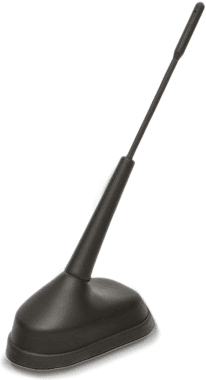
Products related to CARPOINT-2010023-Aerial:


-
What are aerial roots in Dieffenbachia?
Aerial roots in Dieffenbachia are specialized roots that grow above the ground and are used for support and anchorage. They are often found on the stems of the plant and can grow into the surrounding air. These roots help the plant to stabilize itself and absorb moisture and nutrients from the air. Aerial roots are a natural adaptation of Dieffenbachia to its environment, allowing it to thrive in its natural habitat. **
-
How does one switch from an electronics technician for industrial engineering to an electronics technician for automation technology?
To switch from being an electronics technician for industrial engineering to automation technology, one can start by gaining knowledge and skills specific to automation technology through courses, workshops, or certifications. It is important to familiarize oneself with automation systems, PLC programming, robotics, and other relevant technologies. Networking with professionals in the automation industry and seeking opportunities for hands-on experience in automation projects can also be beneficial. Updating one's resume and highlighting any relevant experience or skills related to automation technology will help in transitioning to a new role as an electronics technician for automation technology. **
-
How can one switch from an electronics technician for industrial engineering to an electronics technician for automation technology?
To switch from being an electronics technician for industrial engineering to automation technology, one can start by gaining knowledge and skills specific to automation technology through courses or training programs. It is important to familiarize oneself with automation systems, PLC programming, and control systems. Additionally, gaining hands-on experience in automation technology through internships or on-the-job training can be beneficial. Networking with professionals in the automation technology field and seeking mentorship can also help in making a successful transition. **
-
What is the difference between an electronics technician for industrial engineering and an electronics technician for automation technology?
An electronics technician for industrial engineering typically focuses on maintaining and repairing electronic systems used in various industries, such as manufacturing plants or power plants. They are responsible for ensuring that electronic equipment operates efficiently and safely within an industrial setting. On the other hand, an electronics technician for automation technology specializes in designing, installing, and maintaining automated systems that control machinery and processes. They work with programmable logic controllers (PLCs) and other advanced technologies to optimize production processes and increase efficiency in industrial automation. **

How do you switch from an electronics technician for industrial engineering to an electronics technician for automation technology?
To switch from being an electronics technician for industrial engineering to automation technology, you may need to acquire additional training or certifications specific to automation technology. This could involve taking courses or workshops focused on automation systems, programmable logic controllers (PLCs), robotics, and other relevant technologies. It would also be beneficial to gain practical experience in automation technology through internships or on-the-job training. Networking with professionals in the automation technology field and seeking out job opportunities that align with your new career focus can also help facilitate the transition. **
When does the monstera get aerial roots?
The monstera plant typically develops aerial roots when it is seeking additional support or nutrients. This can happen when the plant is growing in a natural environment where it needs to climb or attach itself to trees or other structures. In indoor settings, monstera plants may also develop aerial roots if they are not getting enough support or if they are not receiving adequate nutrients from the soil. **
Top-Angebote
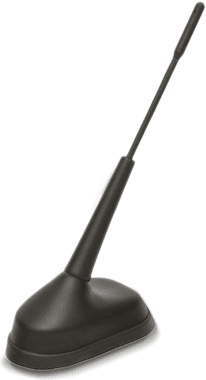
Products related to CARPOINT-2010023-Aerial:
-
How can one learn to become an electronics technician for industrial engineering or automation technology?
To become an electronics technician for industrial engineering or automation technology, one can start by pursuing a relevant educational program, such as an associate degree in electronics engineering technology or industrial automation. These programs typically cover topics such as electrical circuits, industrial control systems, and automation technologies. Additionally, gaining hands-on experience through internships or apprenticeships with companies in the industrial engineering or automation field can provide valuable practical skills. Seeking professional certifications, such as those offered by organizations like the International Society of Automation (ISA) or the Electronics Technicians Association (ETA), can also demonstrate expertise and knowledge in the field. Finally, staying updated with the latest advancements in industrial engineering and automation technology through continuous learning and professional development is essential for a successful career in this field. **
-
For beginners: Aerial silks acrobatics.
Aerial silks acrobatics is a beautiful and challenging form of aerial art that involves performing acrobatic moves while suspended from two long pieces of fabric. For beginners, it is important to start with a strong foundation of basic skills such as climbing, foot locks, and inversions. Building upper body and core strength is essential to progress in aerial silks. It is also important to focus on proper technique and body alignment to prevent injuries and improve performance. With dedication and practice, beginners can gradually advance to more complex and dynamic moves in aerial silks acrobatics. **
-
What are aerial roots in Dieffenbachia?
Aerial roots in Dieffenbachia are specialized roots that grow above the ground and are used for support and anchorage. They are often found on the stems of the plant and can grow into the surrounding air. These roots help the plant to stabilize itself and absorb moisture and nutrients from the air. Aerial roots are a natural adaptation of Dieffenbachia to its environment, allowing it to thrive in its natural habitat. **
-
How does one switch from an electronics technician for industrial engineering to an electronics technician for automation technology?
To switch from being an electronics technician for industrial engineering to automation technology, one can start by gaining knowledge and skills specific to automation technology through courses, workshops, or certifications. It is important to familiarize oneself with automation systems, PLC programming, robotics, and other relevant technologies. Networking with professionals in the automation industry and seeking opportunities for hands-on experience in automation projects can also be beneficial. Updating one's resume and highlighting any relevant experience or skills related to automation technology will help in transitioning to a new role as an electronics technician for automation technology. **
Similar search terms for CARPOINT-2010023-Aerial
-
How can one switch from an electronics technician for industrial engineering to an electronics technician for automation technology?
To switch from being an electronics technician for industrial engineering to automation technology, one can start by gaining knowledge and skills specific to automation technology through courses or training programs. It is important to familiarize oneself with automation systems, PLC programming, and control systems. Additionally, gaining hands-on experience in automation technology through internships or on-the-job training can be beneficial. Networking with professionals in the automation technology field and seeking mentorship can also help in making a successful transition. **
-
What is the difference between an electronics technician for industrial engineering and an electronics technician for automation technology?
An electronics technician for industrial engineering typically focuses on maintaining and repairing electronic systems used in various industries, such as manufacturing plants or power plants. They are responsible for ensuring that electronic equipment operates efficiently and safely within an industrial setting. On the other hand, an electronics technician for automation technology specializes in designing, installing, and maintaining automated systems that control machinery and processes. They work with programmable logic controllers (PLCs) and other advanced technologies to optimize production processes and increase efficiency in industrial automation. **
-
How do you switch from an electronics technician for industrial engineering to an electronics technician for automation technology?
To switch from being an electronics technician for industrial engineering to automation technology, you may need to acquire additional training or certifications specific to automation technology. This could involve taking courses or workshops focused on automation systems, programmable logic controllers (PLCs), robotics, and other relevant technologies. It would also be beneficial to gain practical experience in automation technology through internships or on-the-job training. Networking with professionals in the automation technology field and seeking out job opportunities that align with your new career focus can also help facilitate the transition. **
-
When does the monstera get aerial roots?
The monstera plant typically develops aerial roots when it is seeking additional support or nutrients. This can happen when the plant is growing in a natural environment where it needs to climb or attach itself to trees or other structures. In indoor settings, monstera plants may also develop aerial roots if they are not getting enough support or if they are not receiving adequate nutrients from the soil. **
* All prices are inclusive of VAT and, if applicable, plus shipping costs. The offer information is based on the details provided by the respective shop and is updated through automated processes. Real-time updates do not occur, so deviations can occur in individual cases. ** Note: Parts of this content were created by AI.