Buy maschinen.eu ?
We are moving the project
maschinen.eu .
Are you interested in purchasing the domain
maschinen.eu ?
domain@kv-gmbh.de · 0541-91531010
Buy maschinen.eu ?
What types of costs include manufacturing materials and manufacturing wages?
The types of costs that include manufacturing materials and manufacturing wages are known as direct costs. Direct costs are expenses that can be specifically attributed to the production of goods or services. Manufacturing materials refer to the raw materials and components used in the production process, while manufacturing wages include the labor costs associated with the production workers directly involved in the manufacturing process. These costs are directly tied to the production of goods and are essential for calculating the total cost of production. **
What is the process of manufacturing war materials?
The process of manufacturing war materials involves several steps. First, there is the design and development phase where engineers and designers create blueprints and prototypes for the weapons, vehicles, and equipment needed for war. Then, raw materials such as metal, plastic, and electronics are sourced and processed to create the necessary components. These components are then assembled into the final products, which are rigorously tested for quality and performance. Finally, the finished war materials are distributed to military units for deployment in combat situations. Throughout the process, strict quality control and adherence to military specifications are essential to ensure the effectiveness and safety of the war materials. **

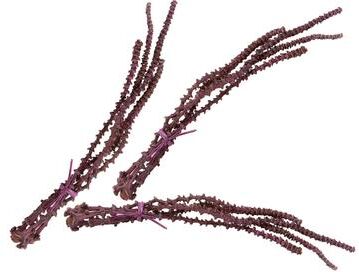
Similar search terms for Materials
Top-Angebote
Products related to Materials:
-
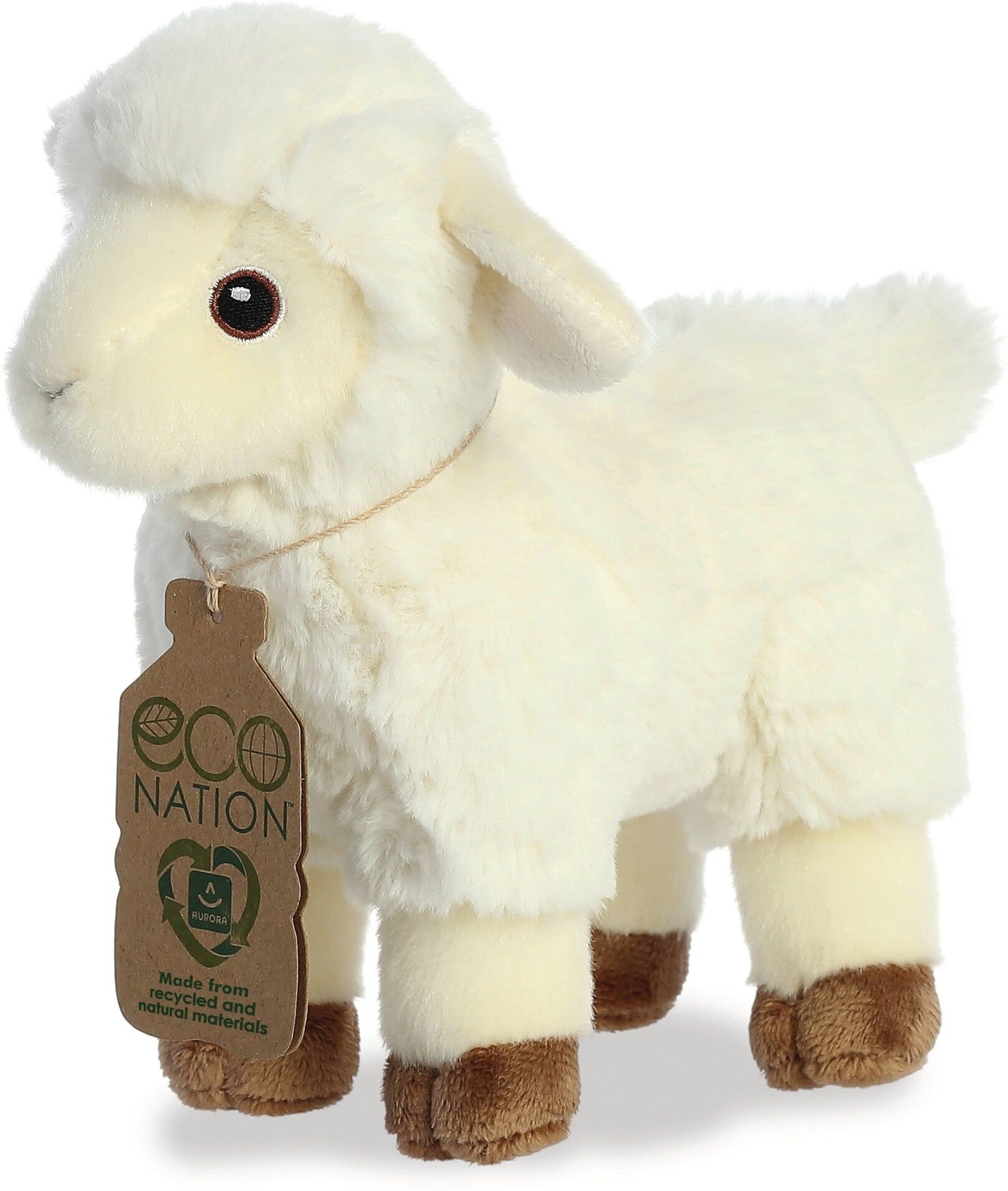
Aurora Eco Nation 8" Plush Lamb - Eco-Friendly Materials - 20cm - KidsCrafted with care, this lovable lamb is made from recycled plastics and natural materials, embodying our commitment to a sustainable future. Key Features: Eco-Friendly Materials: The plush exterior and fibre fill are crafted from recycled plastics, reducing plastic waste. Embroidered Eyes: Charming embroidered eyes combine safety and eco-consciousness. No plastic beans are used, making it even more environmentally friendly. Generous Size: Measuring 20cm, it's perfect for hugs and companionship. Lovable Lamb Design: The adorable lamb design appeals to all ages.13,39 £*Shipping: 3,95 £Secure redirect to the provider
-
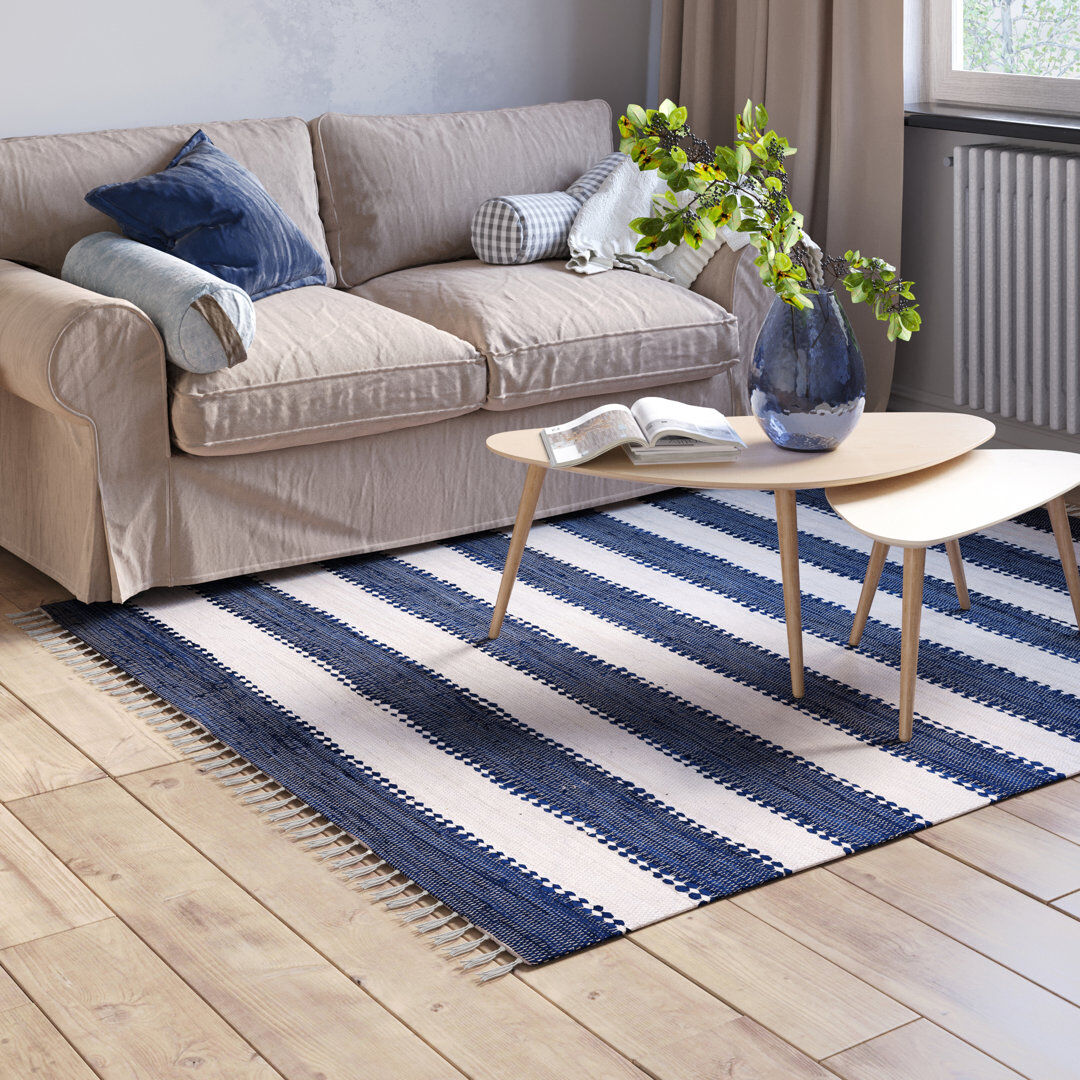
17 Stories Chindi Renova, recycled materials Rug Blue Rectangular 160 x 230cmThe hand -woven chindi "Ashram" rug is a stylish and unique accessory for any room. Made from recycled cotton scraps woven into an elaborate pattern, this rug adds a touch of rustic charm to your home. The colours range from dark brown to various shades of blue and green to vibrant red tones. Each rug is unique due to its handmade character and can vary slightly in size and colour. The "Ashram" rug is not only beautiful to look at, but also hard -wearing and easy to clean. It is easy to clean, making it perfect for busy areas such as living rooms, corridors or offices. The Ashram Chindi rug is a timeless piece that adds warmth and cosiness to your home and is a sustainable choice for environmentally conscious buyers. Brand Name: 17 Stories. Colour: Blue, Rug Size: Rectangular 160 x 230cm113,99 £*Shipping: 0,00 £Secure redirect to the provider
-
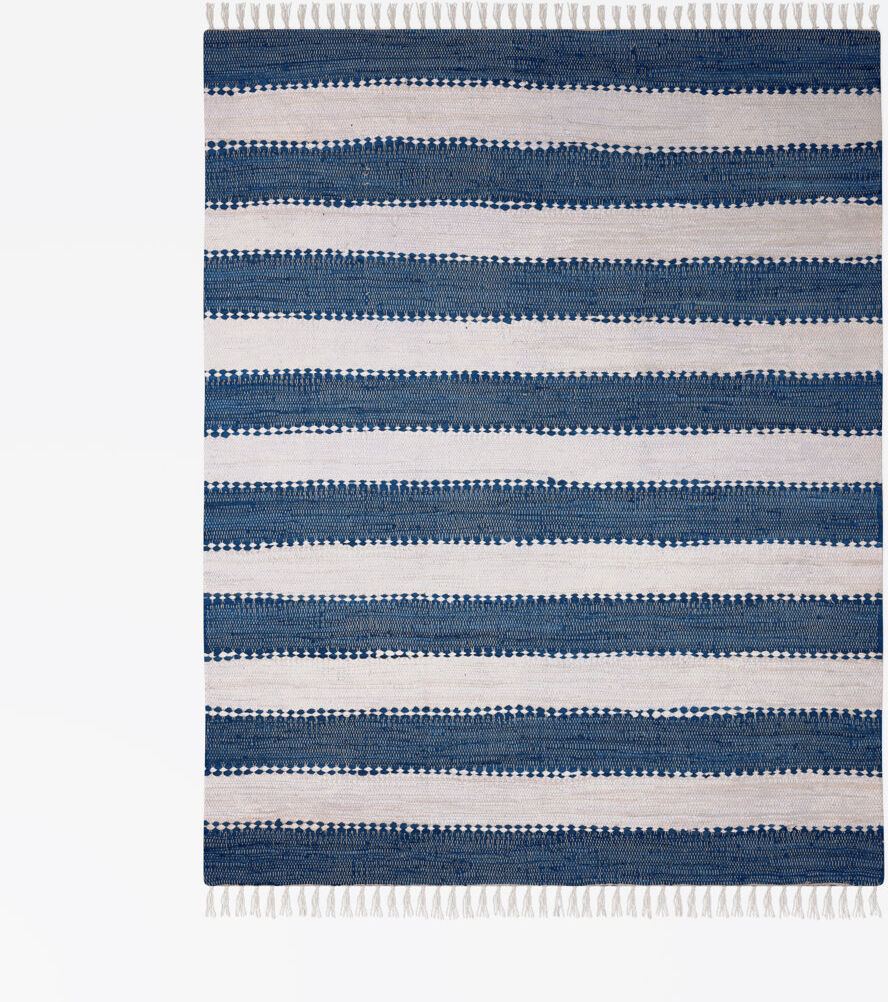
17 Stories Chindi Renova, recycled materials Rug Blue Rectangular 80 x 150cmThe hand -woven chindi "Ashram" rug is a stylish and unique accessory for any room. Made from recycled cotton scraps woven into an elaborate pattern, this rug adds a touch of rustic charm to your home. The colours range from dark brown to various shades of blue and green to vibrant red tones. Each rug is unique due to its handmade character and can vary slightly in size and colour. The "Ashram" rug is not only beautiful to look at, but also hard -wearing and easy to clean. It is easy to clean, making it perfect for busy areas such as living rooms, corridors or offices. The Ashram Chindi rug is a timeless piece that adds warmth and cosiness to your home and is a sustainable choice for environmentally conscious buyers. Brand Name: 17 Stories. Colour: Blue, Rug Size: Rectangular 80 x 150cm79,99 £*Shipping: 0,00 £Secure redirect to the provider

-
How can one learn to become an electronics technician for industrial engineering or automation technology?
To become an electronics technician for industrial engineering or automation technology, one can start by pursuing a relevant educational program, such as an associate degree in electronics engineering technology or industrial automation. These programs typically cover topics such as electrical circuits, industrial control systems, and automation technologies. Additionally, gaining hands-on experience through internships or apprenticeships with companies in the industrial engineering or automation field can provide valuable practical skills. Seeking professional certifications, such as those offered by organizations like the International Society of Automation (ISA) or the Electronics Technicians Association (ETA), can also demonstrate expertise and knowledge in the field. Finally, staying updated with the latest advancements in industrial engineering and automation technology through continuous learning and professional development is essential for a successful career in this field. **
-
How can one quench in materials engineering?
In materials engineering, quenching refers to the rapid cooling of a material from a high temperature to a lower temperature. This process is typically done by immersing the material in a quenching medium such as water, oil, or air. The goal of quenching is to achieve specific material properties such as increased hardness and strength. By controlling the quenching process, materials engineers can tailor the microstructure and properties of the material to meet the desired performance requirements for a particular application. **
-
What are raw materials, auxiliary materials, or operating materials?
Raw materials are the basic materials used in the production of goods. They are typically natural resources such as wood, metal, or agricultural products. Auxiliary materials are used to support the production process, such as lubricants, cleaning agents, or packaging materials. Operating materials are the supplies and tools used in the day-to-day operations of a business, such as office supplies, maintenance tools, or safety equipment. These materials are essential for the production and operation of goods and services. **
-
What are the job prospects in materials engineering?
Job prospects in materials engineering are generally positive, as the field is expected to grow in the coming years. With the increasing demand for new materials in various industries such as aerospace, automotive, and renewable energy, there will be a need for materials engineers to develop and improve these materials. Additionally, as technology continues to advance, there will be opportunities for materials engineers to work on developing new materials for emerging technologies. Overall, the job prospects for materials engineers are promising, especially for those with advanced degrees and specialized skills. **

Can someone explain the triangular relationship between design, manufacturing, and materials?
The triangular relationship between design, manufacturing, and materials refers to the interconnectedness of these three elements in the production of a product. Design influences the choice of materials and manufacturing processes, as it determines the functionality, aesthetics, and performance of the product. Materials selection is crucial in determining the manufacturability and performance of the product, and manufacturing processes must be chosen based on the design and materials to ensure efficient and cost-effective production. Ultimately, the success of a product depends on the harmonious integration of design, manufacturing, and materials. **
Can my technology teacher ask for money for materials?
It is not common practice for technology teachers to ask for money for materials from their students. Schools typically provide funding for necessary materials and resources for classroom activities. If there is a specific project or activity that requires additional materials beyond what the school provides, the teacher may seek approval from the school administration or parent-teacher association for funding. It is important for teachers to be transparent about any financial requests and ensure that all students have equal access to learning materials. **
Top-Angebote
Products related to Materials:
-
Elk Home Sceptre Black Natural Materials Ornamental AccessoryELK Home offer depth and breadth across a myriad of home furnishing categories with design styles ranging from updated traditional to soft modern. www.elkhome.com. A division of ELK Group International39,50 $*Shipping: 0,00 $Secure redirect to the provider
-
Aurora Eco Nation 8" Plush Lamb - Eco-Friendly Materials - 20cm - KidsCrafted with care, this lovable lamb is made from recycled plastics and natural materials, embodying our commitment to a sustainable future. Key Features: Eco-Friendly Materials: The plush exterior and fibre fill are crafted from recycled plastics, reducing plastic waste. Embroidered Eyes: Charming embroidered eyes combine safety and eco-consciousness. No plastic beans are used, making it even more environmentally friendly. Generous Size: Measuring 20cm, it's perfect for hugs and companionship. Lovable Lamb Design: The adorable lamb design appeals to all ages.13,39 £*Shipping: 3,95 £Secure redirect to the provider
-
What types of costs include manufacturing materials and manufacturing wages?
The types of costs that include manufacturing materials and manufacturing wages are known as direct costs. Direct costs are expenses that can be specifically attributed to the production of goods or services. Manufacturing materials refer to the raw materials and components used in the production process, while manufacturing wages include the labor costs associated with the production workers directly involved in the manufacturing process. These costs are directly tied to the production of goods and are essential for calculating the total cost of production. **
-
What is the process of manufacturing war materials?
The process of manufacturing war materials involves several steps. First, there is the design and development phase where engineers and designers create blueprints and prototypes for the weapons, vehicles, and equipment needed for war. Then, raw materials such as metal, plastic, and electronics are sourced and processed to create the necessary components. These components are then assembled into the final products, which are rigorously tested for quality and performance. Finally, the finished war materials are distributed to military units for deployment in combat situations. Throughout the process, strict quality control and adherence to military specifications are essential to ensure the effectiveness and safety of the war materials. **
-
How can one learn to become an electronics technician for industrial engineering or automation technology?
To become an electronics technician for industrial engineering or automation technology, one can start by pursuing a relevant educational program, such as an associate degree in electronics engineering technology or industrial automation. These programs typically cover topics such as electrical circuits, industrial control systems, and automation technologies. Additionally, gaining hands-on experience through internships or apprenticeships with companies in the industrial engineering or automation field can provide valuable practical skills. Seeking professional certifications, such as those offered by organizations like the International Society of Automation (ISA) or the Electronics Technicians Association (ETA), can also demonstrate expertise and knowledge in the field. Finally, staying updated with the latest advancements in industrial engineering and automation technology through continuous learning and professional development is essential for a successful career in this field. **
-
How can one quench in materials engineering?
In materials engineering, quenching refers to the rapid cooling of a material from a high temperature to a lower temperature. This process is typically done by immersing the material in a quenching medium such as water, oil, or air. The goal of quenching is to achieve specific material properties such as increased hardness and strength. By controlling the quenching process, materials engineers can tailor the microstructure and properties of the material to meet the desired performance requirements for a particular application. **
Similar search terms for Materials
-
17 Stories Chindi Renova, recycled materials Rug Blue Rectangular 160 x 230cmThe hand -woven chindi "Ashram" rug is a stylish and unique accessory for any room. Made from recycled cotton scraps woven into an elaborate pattern, this rug adds a touch of rustic charm to your home. The colours range from dark brown to various shades of blue and green to vibrant red tones. Each rug is unique due to its handmade character and can vary slightly in size and colour. The "Ashram" rug is not only beautiful to look at, but also hard -wearing and easy to clean. It is easy to clean, making it perfect for busy areas such as living rooms, corridors or offices. The Ashram Chindi rug is a timeless piece that adds warmth and cosiness to your home and is a sustainable choice for environmentally conscious buyers. Brand Name: 17 Stories. Colour: Blue, Rug Size: Rectangular 160 x 230cm113,99 £*Shipping: 0,00 £Secure redirect to the provider
-
17 Stories Chindi Renova, recycled materials Rug Blue Rectangular 80 x 150cmThe hand -woven chindi "Ashram" rug is a stylish and unique accessory for any room. Made from recycled cotton scraps woven into an elaborate pattern, this rug adds a touch of rustic charm to your home. The colours range from dark brown to various shades of blue and green to vibrant red tones. Each rug is unique due to its handmade character and can vary slightly in size and colour. The "Ashram" rug is not only beautiful to look at, but also hard -wearing and easy to clean. It is easy to clean, making it perfect for busy areas such as living rooms, corridors or offices. The Ashram Chindi rug is a timeless piece that adds warmth and cosiness to your home and is a sustainable choice for environmentally conscious buyers. Brand Name: 17 Stories. Colour: Blue, Rug Size: Rectangular 80 x 150cm79,99 £*Shipping: 0,00 £Secure redirect to the provider
-
17 Stories Chindi Renova, recycled materials Rug Beige Rectangular 60 x 110cmThe hand -woven chindi "Ashram" rug is a stylish and unique accessory for any room. Made from recycled cotton scraps woven into an elaborate pattern, this rug adds a touch of rustic charm to your home. The colours range from dark brown to various shades of blue and green to vibrant red tones. Each rug is unique due to its handmade character and can vary slightly in size and colour. The "Ashram" rug is not only beautiful to look at, but also hard -wearing and easy to clean. It is easy to clean, making it perfect for busy areas such as living rooms, corridors or offices. The Ashram Chindi rug is a timeless piece that adds warmth and cosiness to your home and is a sustainable choice for environmentally conscious buyers. Brand Name: 17 Stories. Rug Size: Rectangular 60 x 110cm, Colour: Beige71,99 £*Shipping: 0,00 £Secure redirect to the provider
-
17 Stories Chindi Renova, recycled materials Rug Black Rectangular 80 x 150cmThe hand -woven chindi "Ashram" rug is a stylish and unique accessory for any room. Made from recycled cotton scraps woven into an elaborate pattern, this rug adds a touch of rustic charm to your home. The colours range from dark brown to various shades of blue and green to vibrant red tones. Each rug is unique due to its handmade character and can vary slightly in size and colour. The "Ashram" rug is not only beautiful to look at, but also hard -wearing and easy to clean. It is easy to clean, making it perfect for busy areas such as living rooms, corridors or offices. The Ashram Chindi rug is a timeless piece that adds warmth and cosiness to your home and is a sustainable choice for environmentally conscious buyers. Brand Name: 17 Stories. Rug Size: Rectangular 80 x 150cm, Colour: Black79,99 £*Shipping: 0,00 £Secure redirect to the provider
-
What are raw materials, auxiliary materials, or operating materials?
Raw materials are the basic materials used in the production of goods. They are typically natural resources such as wood, metal, or agricultural products. Auxiliary materials are used to support the production process, such as lubricants, cleaning agents, or packaging materials. Operating materials are the supplies and tools used in the day-to-day operations of a business, such as office supplies, maintenance tools, or safety equipment. These materials are essential for the production and operation of goods and services. **
-
What are the job prospects in materials engineering?
Job prospects in materials engineering are generally positive, as the field is expected to grow in the coming years. With the increasing demand for new materials in various industries such as aerospace, automotive, and renewable energy, there will be a need for materials engineers to develop and improve these materials. Additionally, as technology continues to advance, there will be opportunities for materials engineers to work on developing new materials for emerging technologies. Overall, the job prospects for materials engineers are promising, especially for those with advanced degrees and specialized skills. **
-
Can someone explain the triangular relationship between design, manufacturing, and materials?
The triangular relationship between design, manufacturing, and materials refers to the interconnectedness of these three elements in the production of a product. Design influences the choice of materials and manufacturing processes, as it determines the functionality, aesthetics, and performance of the product. Materials selection is crucial in determining the manufacturability and performance of the product, and manufacturing processes must be chosen based on the design and materials to ensure efficient and cost-effective production. Ultimately, the success of a product depends on the harmonious integration of design, manufacturing, and materials. **
-
Can my technology teacher ask for money for materials?
It is not common practice for technology teachers to ask for money for materials from their students. Schools typically provide funding for necessary materials and resources for classroom activities. If there is a specific project or activity that requires additional materials beyond what the school provides, the teacher may seek approval from the school administration or parent-teacher association for funding. It is important for teachers to be transparent about any financial requests and ensure that all students have equal access to learning materials. **
* All prices are inclusive of VAT and, if applicable, plus shipping costs. The offer information is based on the details provided by the respective shop and is updated through automated processes. Real-time updates do not occur, so deviations can occur in individual cases. ** Note: Parts of this content were created by AI.